Linear Art Illustration Wedding Couple: A Designer's Guide
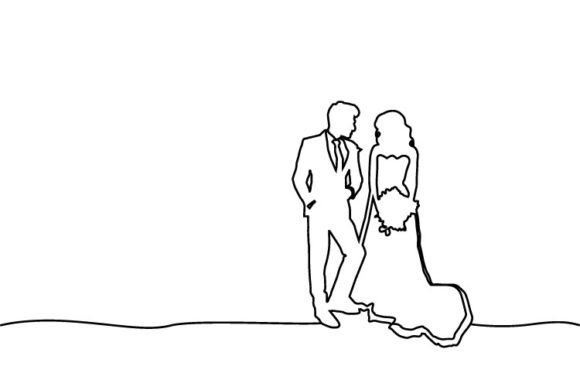
In the world of design, we often talk about typefaces, but a powerful visual element can speak volumes without a single word. The Linear Art Illustration Wedding Couple is one such asset. It’s not a font, but a beautifully crafted design element that captures the elegance and intimacy of a wedding in a single, continuous line. This minimalist illustration style distills the complex emotions of a couple's union into a clean, sophisticated graphic. Its appeal lies in its simplicity and modern aesthetic, making it a versatile tool for a wide range of creative professionals.
The Enduring Charm of Line Art
So, what exactly defines this style? A linear art illustration is characterized by its use of unbroken or lightly broken lines to form a recognizable shape. There are no fills, no complex shading—just the purity of the line itself. The wedding couple version typically depicts two figures in an affectionate pose, perhaps a first dance, a gentle embrace, or a tender kiss. This approach feels both contemporary and timeless. It avoids trendy details that can date a design, focusing instead on the universal gesture of love and connection.
The personality of this illustration is one of quiet confidence and romance. It doesn’t shout for attention; instead, it draws the viewer in with its elegance. This makes it an exceptional choice for projects where sophistication and emotional resonance are key. Think of it as the visual equivalent of a heartfelt, handwritten note—it’s personal, refined, and memorable. Its versatility is its greatest strength, allowing it to adapt seamlessly from digital screens to high-quality print finishes like foil stamping or letterpress.
Where This Design Element Truly Shines
Understanding where to deploy the Linear Art Illustration Wedding Couple is crucial for maximizing its impact. Its clean lines and scalable vector format make it ideal for a host of applications. For wedding stationers and invitation designers, it’s a perfect centerpiece for save-the-dates, invitations, and thank-you cards. It can be used as a large, impactful watermark or a subtle, repeated pattern in the background.
For brand identity and logo design, this illustration can form the core of a wedding-related business's visual identity. A wedding planner, photographer, or bridal boutique could use it as a primary or secondary logo mark, ensuring instant recognition and a consistent aesthetic across all materials. In editorial design, it serves as a beautiful spot illustration for wedding magazines, blogs, and online articles, breaking up text and adding a touch of class.
The digital realm offers even more possibilities. Use it for social media graphics to announce promotions, share client testimonials, or create beautiful quote cards. For web design, it can be an elegant hero image, an animated SVG on a loading screen, or a refined icon set for navigation. The included file formats—Ai, Eps, Svg, Png, Jpg—ensure you have the right tool for any job, from editable vectors for custom branding to high-resolution images for quick use.
Making It Work: Practical Design Guidance
Simply having a great design asset isn’t enough; you need to integrate it thoughtfully. The first step is evaluating project fit. This illustration style pairs best with clean, modern aesthetics. If your project has a rustic, vintage, or heavily ornate theme, you may need to adapt it or consider if its minimalist nature complements the overall vision. Test it in context—place it on your chosen background color, next to your selected typefaces, and see if it enhances or conflicts with the layout.
Speaking of typefaces, font pairing is critical. The illustration's simplicity gives you flexibility. For a classic, elegant look, pair it with a sophisticated serif font. For a more contemporary and clean feel, a geometric sans serif font works beautifully. If you want to add a personal, human touch, a tasteful script font or handwritten font for headlines can create a lovely contrast, but use it sparingly to maintain readability.
Finally, consider the technical and legal aspects. Always check the commercial licensing. Most premium assets like this come with a license that allows for commercial use, but it’s your responsibility to understand the terms, especially for large-scale projects like packaging design or merchandise. Test the illustration at various sizes to ensure its lines remain crisp and legible, whether it’s a tiny favicon or a large wall decal. By thoughtfully applying the Linear Art Illustration Wedding Couple, you elevate your project from merely functional to truly beautiful, creating a lasting impression on your audience.