Wedding Clipart & Men in Kilts: A Designer's Guide
There's a particular challenge in wedding stationery: how do you design something that feels both deeply personal and broadly appealing? You want romance, but not cliché. Tradition, but not stuffiness. For projects centered on Scottish heritage or Celtic themes, the answer often lies in the details. This is where a specialized collection like Wedding Clipart, Men in Kilts Clipart moves from being a nice-to-have to a genuine design solution. It’s not just a set of images; it’s a curated visual language for a specific story.
The Visual Character: Hand-Painted Authenticity
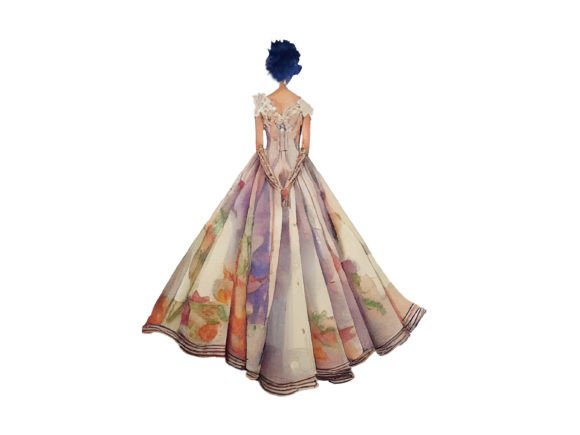
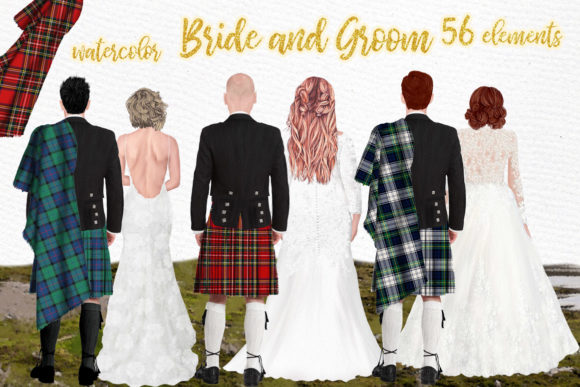
First, let's talk about what you're actually getting. This isn't a set of sterile, vectorized graphics. The core appeal here is the hand-painted watercolor aesthetic. Each element has the subtle bleed, the gentle color gradation, and the organic texture you only get from real media. This style immediately sets a tone of warmth, artistry, and bespoke quality. It feels human-made, which is a powerful counterpoint to the often overly digital feel of modern design.
The "Men in Kilts" element is rendered with a respectful, illustrative charm. It's iconic without being cartoonish, making it suitable for elegant invitations as well as more casual applications. The 56-file set provides a rich vocabulary: from singular groom figures to paired elements and decorative flourishes. At 300 dpi and approximately 6 inches, these are premier design assets built for serious output, whether for print or high-resolution digital screens.
Practical Applications: Beyond the Wedding Invitation
While the primary use case is clear—think wedding invitations, save-the-dates, programs, and thank-you cards—the versatility of a well-made clipart set like this extends much further. As a designer or content creator, you can leverage this creative font of imagery across a brand's entire ecosystem.
- Brand Identity & Packaging: For a Scottish-themed brewery, a tartan fabric shop, or a heritage tourism business, these illustrations can form the cornerstone of a logo design system or product packaging. They add an instant layer of storytelling and cultural authenticity.
- Digital & Social Media: The watercolor style translates beautifully to social media graphics, blog headers, and website banners. Use a single kilted figure as a recurring motif in a series of Instagram posts or as a featured image for articles on Celtic traditions.
- Editorial & Publishing: In editorial design, these elements can break up text-heavy pages in magazines, books, or newsletters focused on weddings, history, or travel. They work as spot illustrations, chapter headers, or margin decorations that enhance the reader's experience without overwhelming the visual hierarchy.
- DIY & Crafting: For the hobbyist or small business owner, the PNG format is ready for digital die-cutting machines, sticker creation, and mixed-media art projects. The possibilities for personalized stationery, party decor, and scrapbooking are extensive.
Integrating the Elements: A Practical Workflow
Simply having great assets isn't enough. How you integrate them determines their effectiveness. Here’s a practical approach to using the Wedding Clipart, Men in Kilts Clipart collection.
Evaluate the Project Fit: Does your project have a narrative that aligns with tradition, celebration, and heritage? If you're designing for a minimalist tech startup, this set likely isn't the right fit. But for a client telling a story of ancestry, romance, or cultural pride, it’s perfect. The personality of the art should mirror the brand identity you're building.
Test Font Pairings Thoughtfully: The watercolor illustrations have a soft, organic feel. Pairing them with a stiff, geometric sans serif font can create jarring contrast. Instead, consider a classic serif font for elegance, a graceful script font for a personal touch, or even a clean handwritten font that echoes the art's handmade quality. The goal is font pairing that creates harmony, not competition. Let the clipart be the star; the typography should be the supporting actor.
Mind the Composition and Readability: A common mistake is to overuse clipart, cluttering the layout and harming readability. Use the elements strategically. A single, well-placed illustration can create a stronger focal point than five scattered ones. Ensure text has enough contrast and breathing room. In web design, consider using these as background watermarks with very low opacity to add depth without distracting from the main content.
Understand the Licensing: This is critical for commercial use. A reputable set like this typically comes with a license that allows for use in end products for sale, like printed invitations or merchandise. Always double-check the specific terms. Knowing you have the rights to use these assets in client work or products for sale provides peace of mind and professional integrity.
The Strategic Value of Thematic Consistency
In a crowded market, consistency is what builds recognition. When you use a cohesive set of design assets like this clipart collection, you're not just decorating—you're building a visual hierarchy and a recognizable system. Every touchpoint, from the wedding website to the physical invitation to the social media announcement, can share the same illustrative DNA. This reinforces the theme, enhances the professionalism of the project, and deepens audience engagement by immersing them in a complete, well-considered world.
Ultimately, tools like the Wedding Clipart, Men in Kilts Clipart set are about efficiency and elevation. They save you hours of commissioning custom artwork or struggling with mismatched graphics. More importantly, they provide a foundation of quality and coherence that allows you to focus on the higher-level design strategy—crafting a message, guiding the viewer's eye, and creating an emotional response. That's the real value for any designer, marketer, or creator.